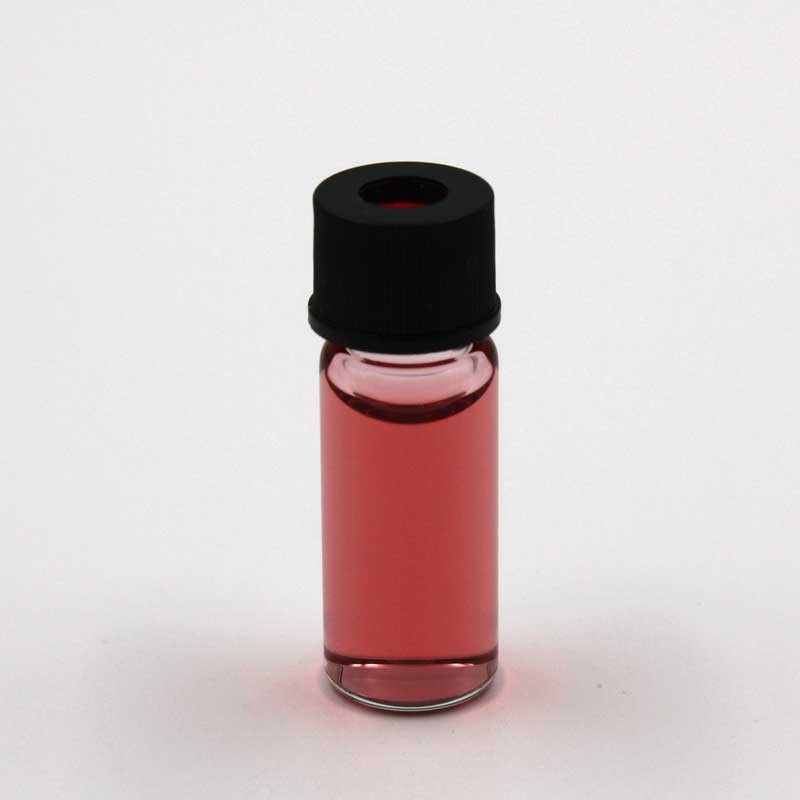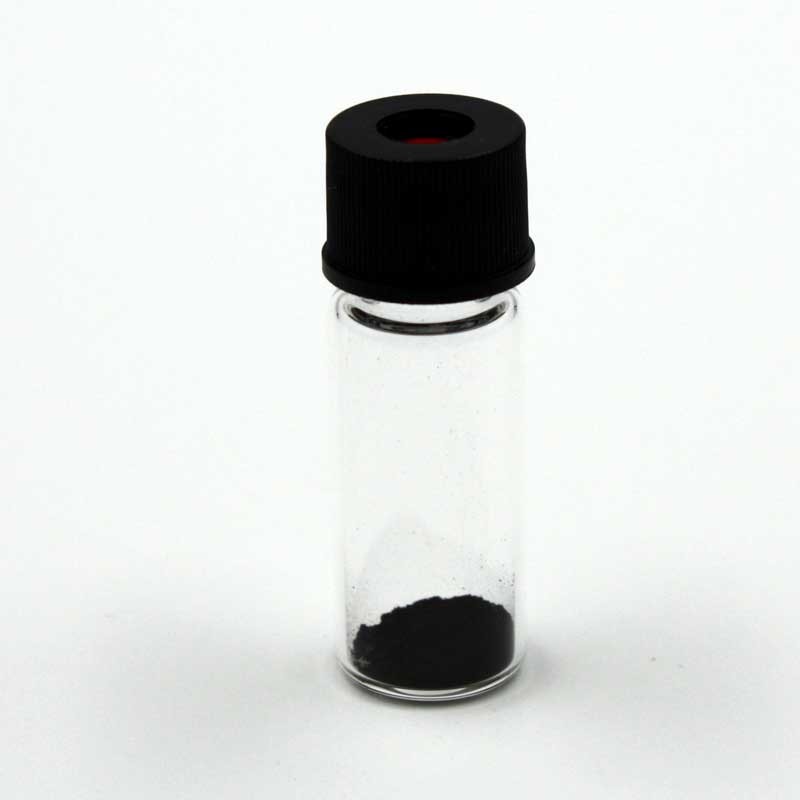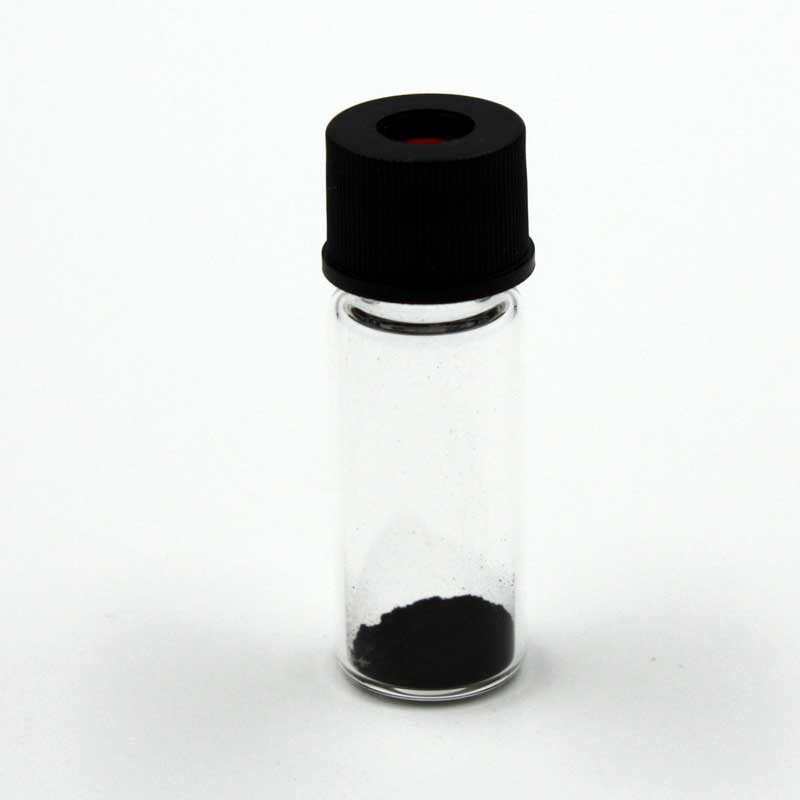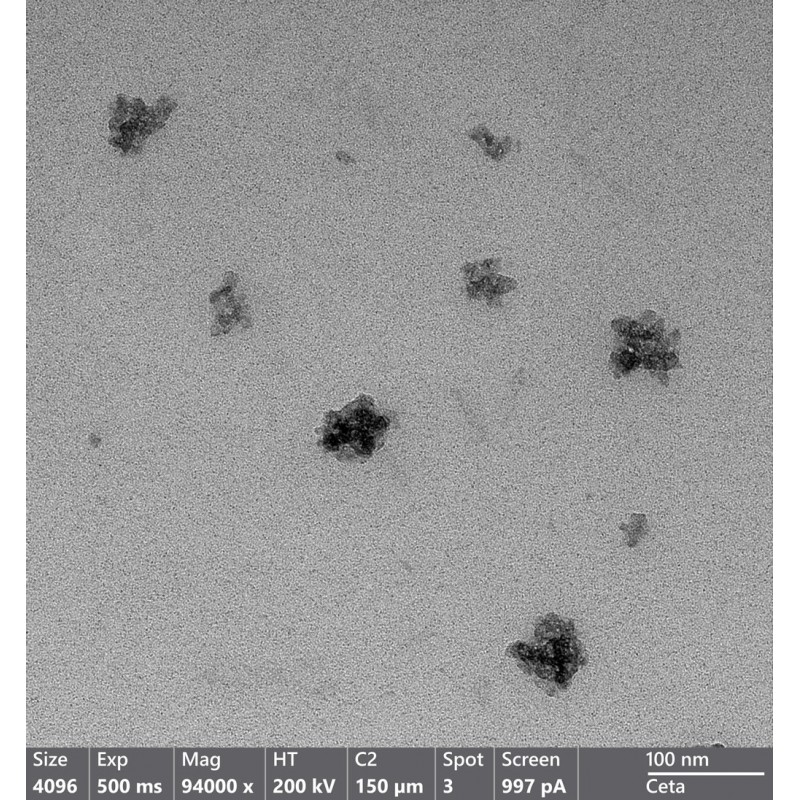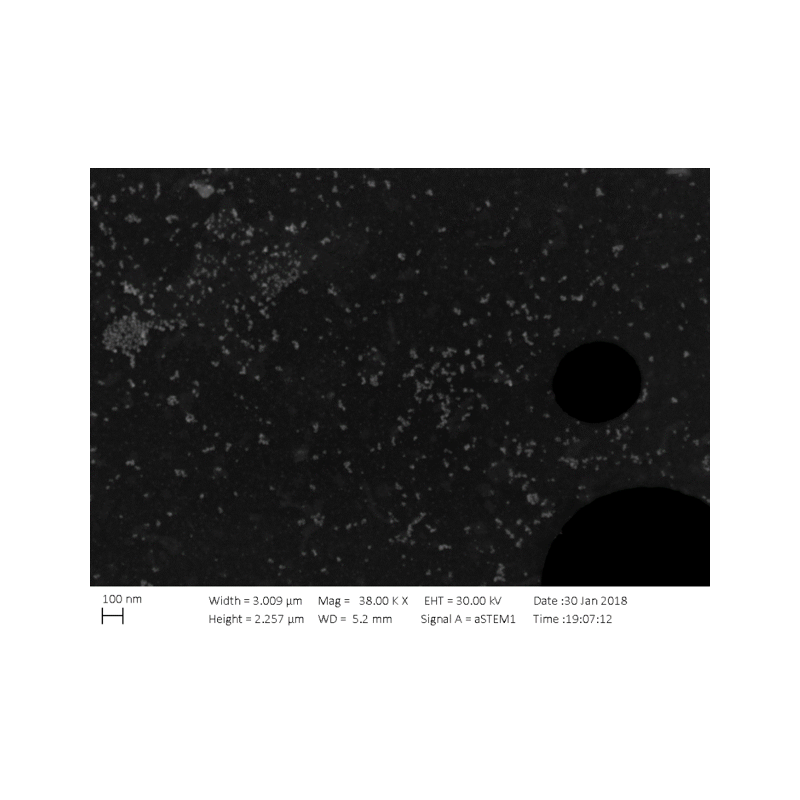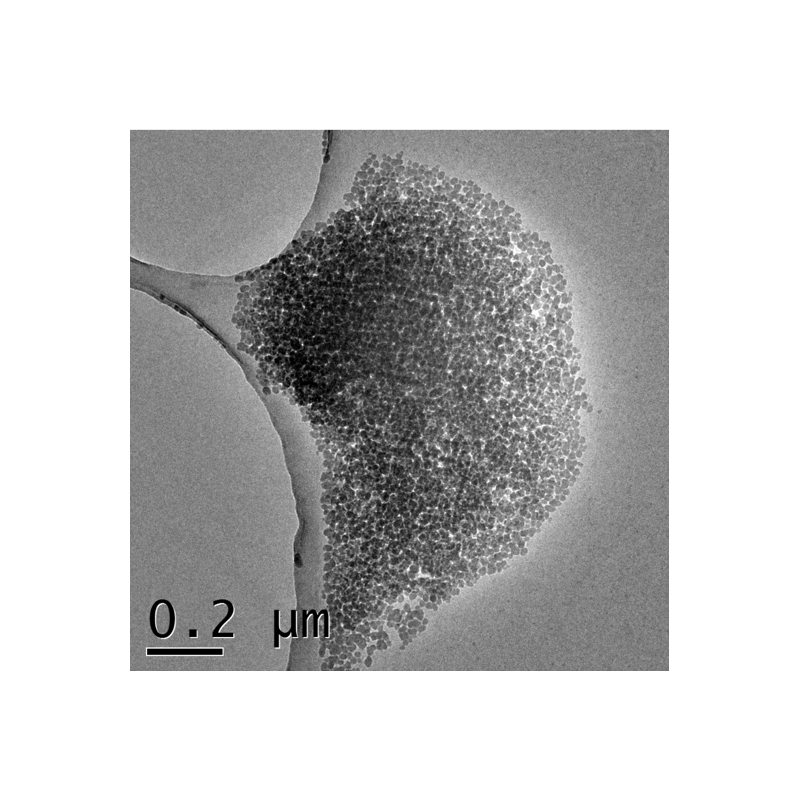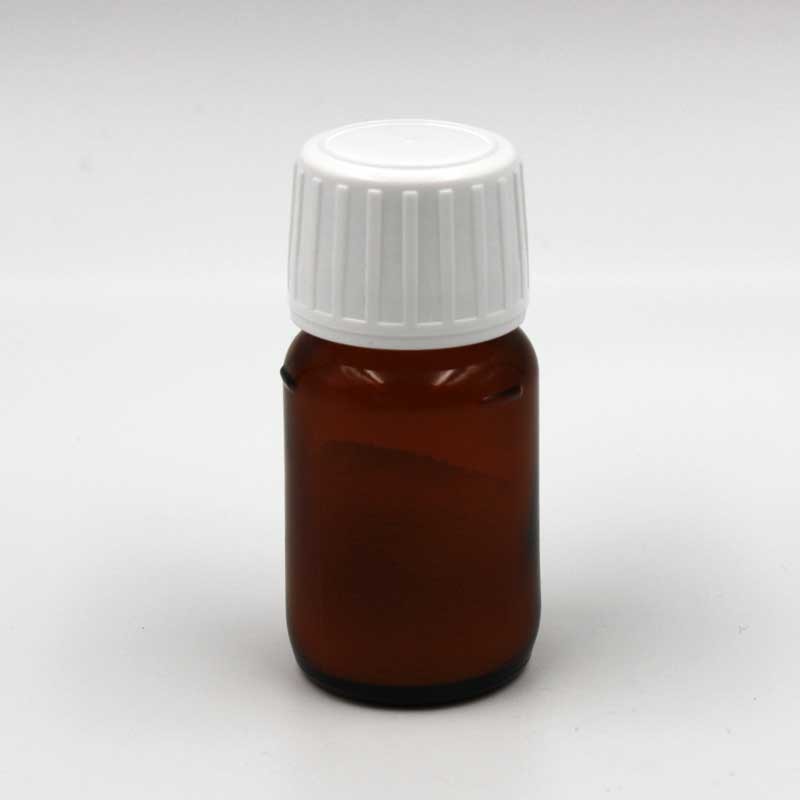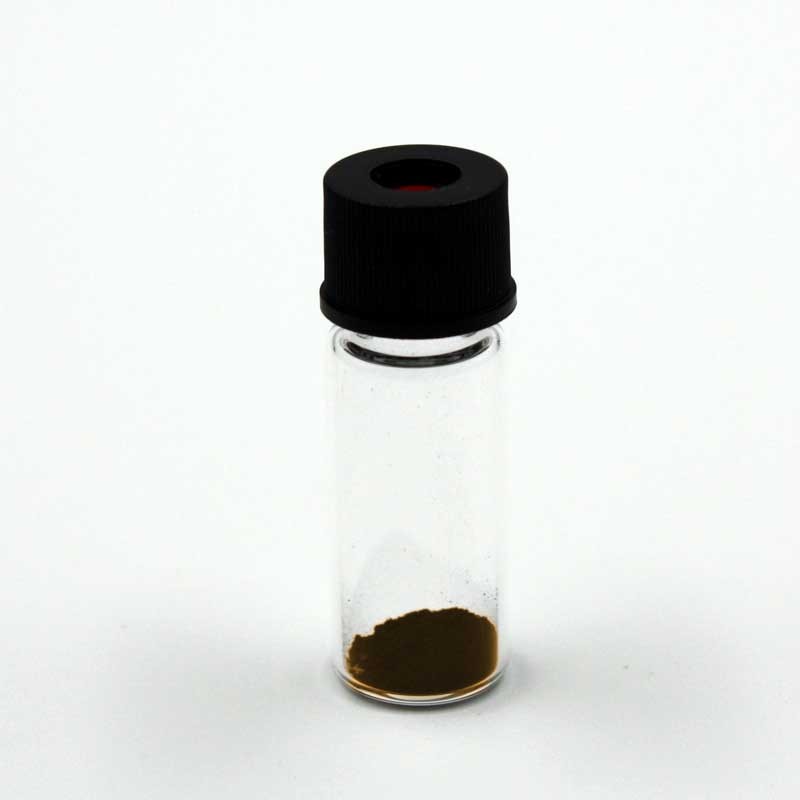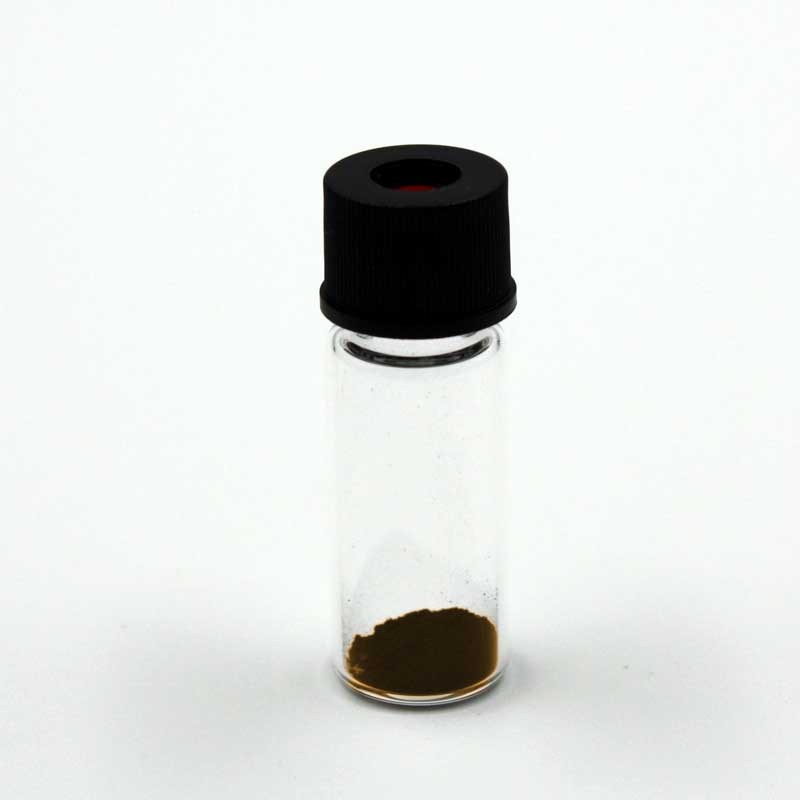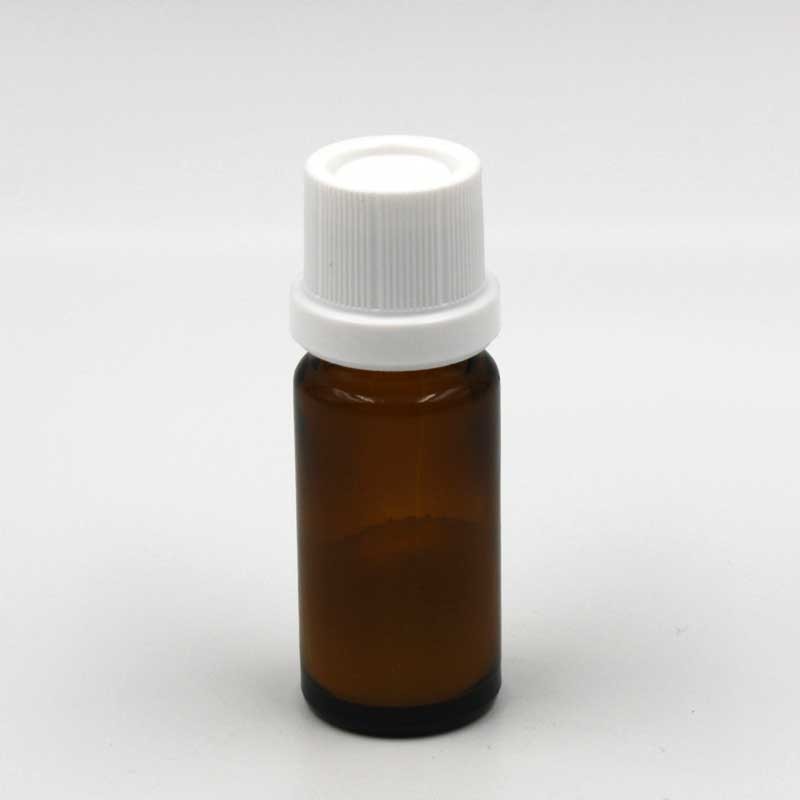
Copper nanoparticles 10% dispersion in water
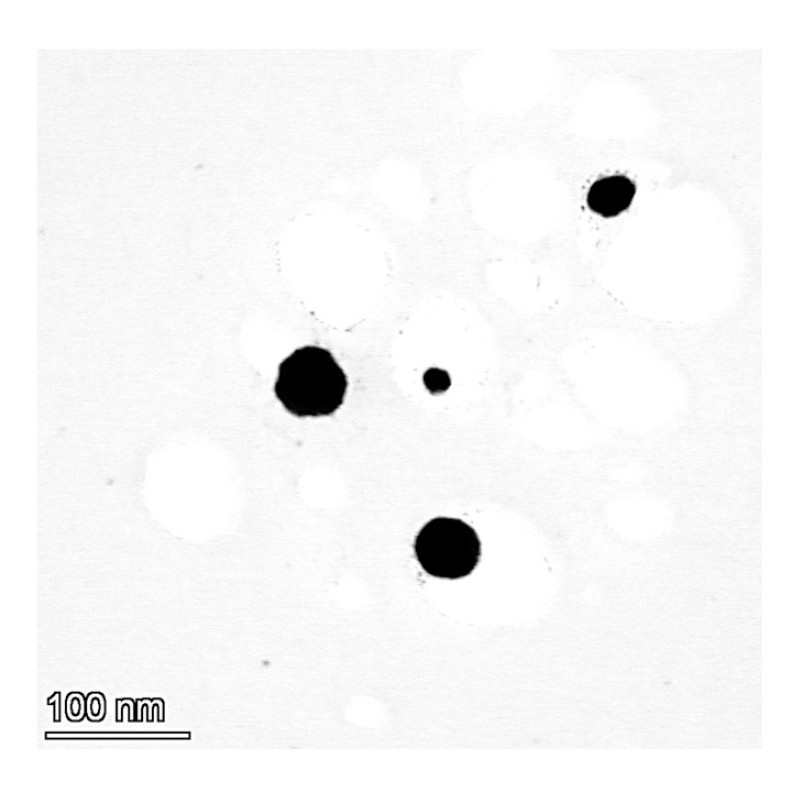
Stabilized with polyacrylic acid Average particle size: 70 ± 20 nm Can be used as a catalyst layer for electroless deposition of conductive coatings.
Compare products with technical highlights, document cues, and product details.

Stabilized with polyacrylic acid Average particle size: 70 ± 20 nm Can be used as a catalyst layer for electroless deposition of conductive coatings.

CeO2 - Nanoparticles aqueous 5 wt.% suspension Produced by chemical synthesis Average particle size: ca. 4 nm.

Average particle size: ca. 6-7 nm. Form colloidal solutions in non-polar solvents. Monodisperse nanoparticles, can be used for 2-D and 3-D structures build-up.

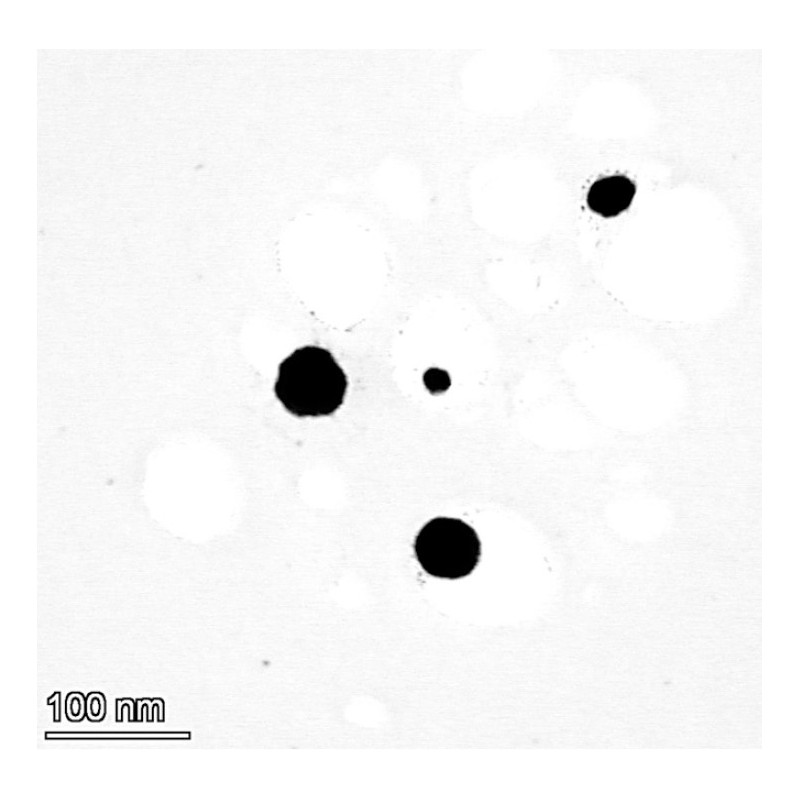
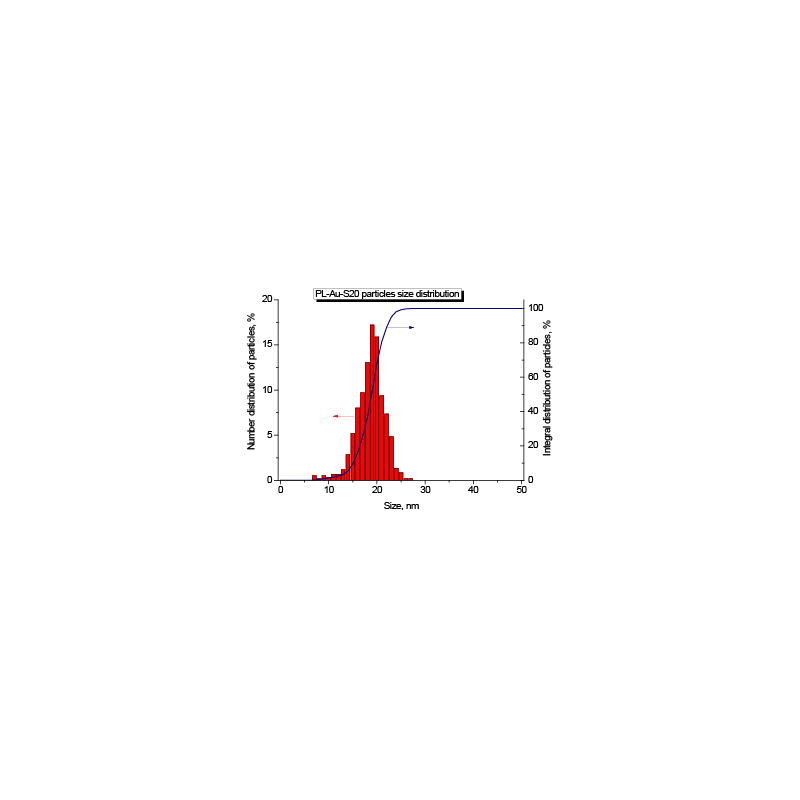
Colloidal solution in water, 0,05 mg/mL Average particle size: 20±3 nm (other sizes available upon request) pH ca. 8,0.

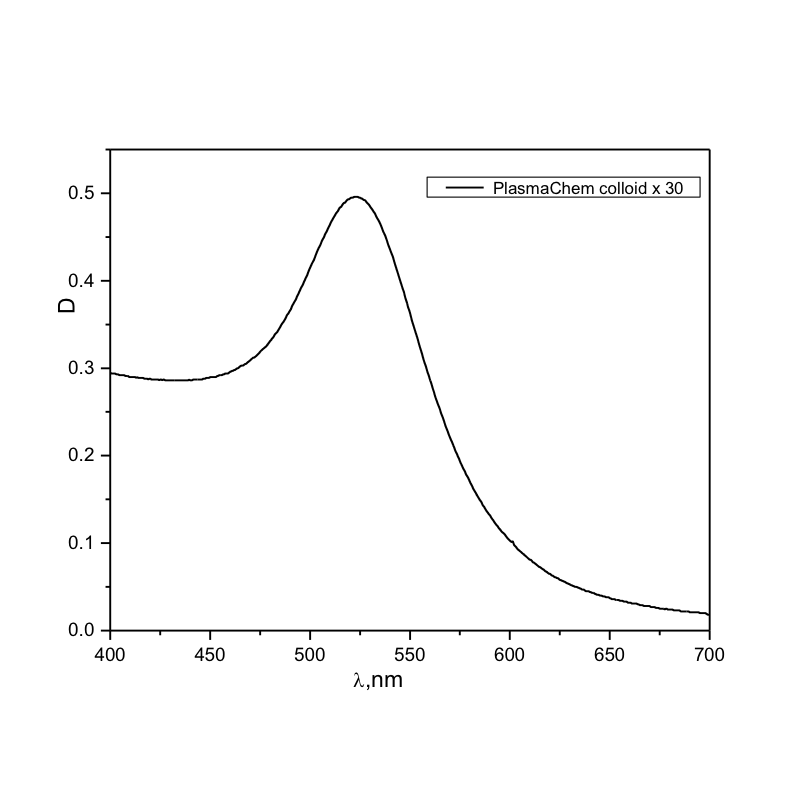
can be supplied at higher Au-concentrations too (*Au concentration in colloid according to extractive photometric determination with 1-(2,4,6-trichlorophenyl)-4,4,6-trimethyl- (1H,4H)-2-Pyrimidinethiol, see M. A. ANUSE et al., Talanta. Vol. 32, No. 10, pp. 1008-1010, 1985) Optical density at maximum after dilution x 30 times: 0.5± 0.01 Particle size, average (TEM): 14±3 nm Adsorption maximum position: 524 nm ± 2 nm.

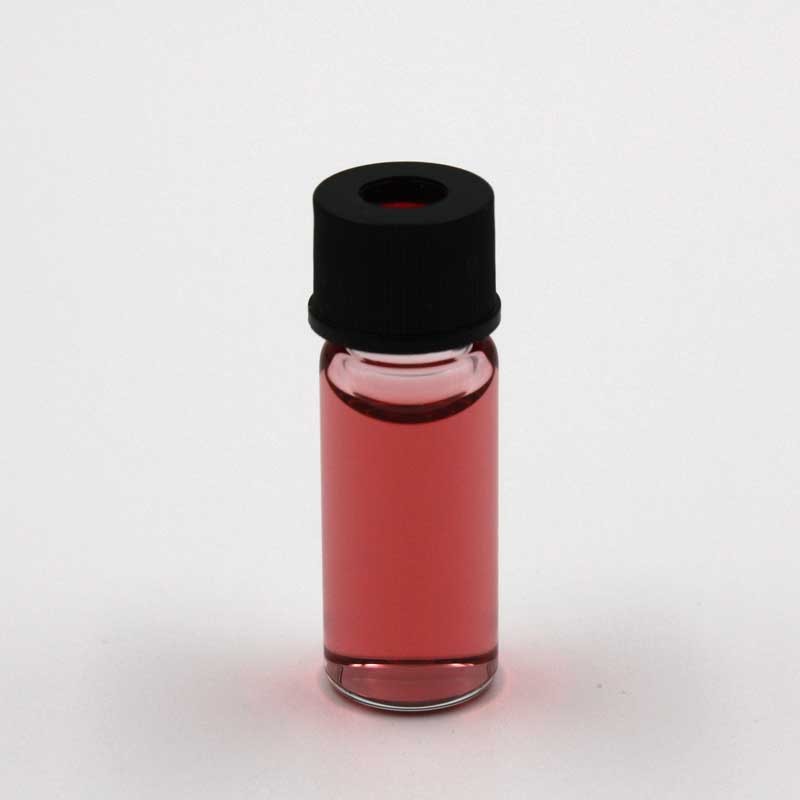
Au concentration: 0,05 mg/mL (corresponds to 0,01% HAuCl4), aq. solution Admixtures, %: tannic acid < 0,01; sodium citrate < 0,04.

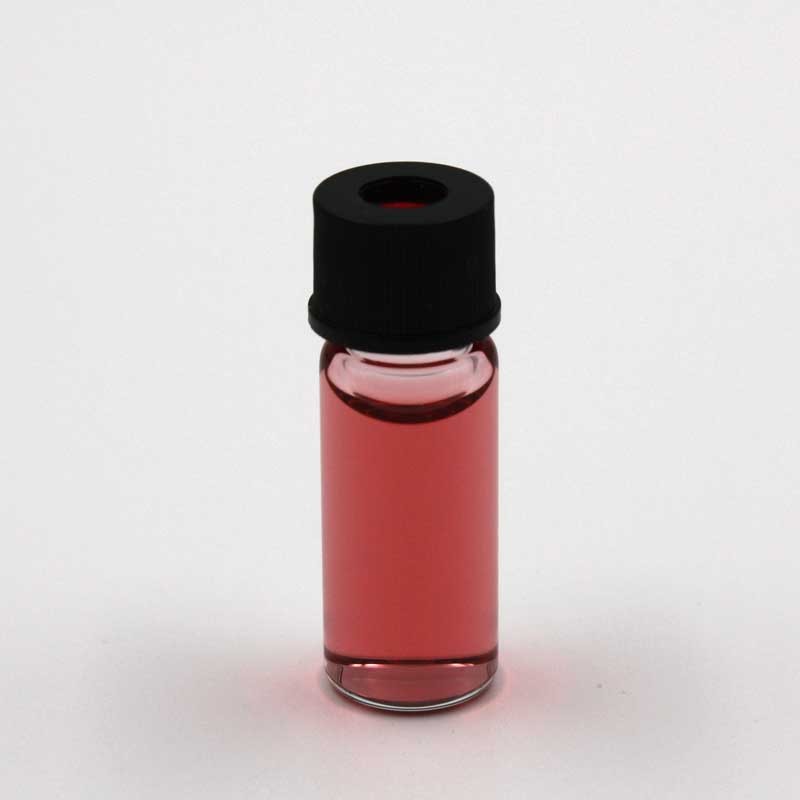
Au concentration: 0,05 mg/mL (corresponds to 0,01% HAuCl4), aq. solution Admixtures, %: tannic acid < 0,01; sodium citrate < 0,04.

Au concentration: 5 mg/mL, aq. solution Admixtures: citrate, cell-culture bovine gelatine.

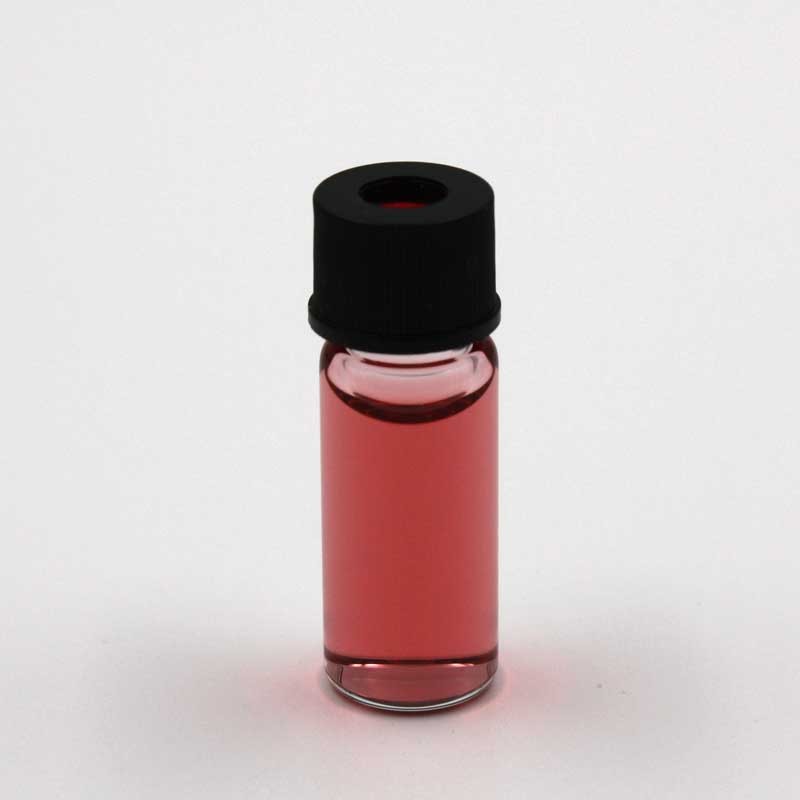
Au concentration: 0,05 mg/mL (corresponds to 0,01% HAuCl4), aq. solution Admixtures, %: tannic acid < 0,01; sodium citrate < 0,04.

Without organic stabilizers. Superparamagnetic. Excellent for L-b-L, LB coatings and for experiments where absence of organic stabilizer is desirable. Average particle size: 8±3 nm. Concentration: ca. 3%.

Without organic stabilizers Dispersed in water at 3 wt.% Average particle size: ca. 40 nm Can be concentrated or removed by magnet or sedimentation.

Average particle size: ca. 50 nm.

Average particle size: ca. 3-4 nm Form aqueous colloidal solutions.

Ruthenium concentration: 0,5 mg/ml Average particle size: ca. 50 nm Stabilizer: Polyvinylpyrrolidone Appearance: Reddish-brown solution Purity: > 99,5% (metal purity) Water-based synthesis of ruthernium, accompanied by stabilization with polyvinylpyrrolidone. The use of de-ionized water and special materials for the reaction are needed to keep the impurities level low.

Primary particle average size: ca.10 nm Specific surface: ca. 320 m2/g Density: ca. 1,2 g/cm3; Purity of solid component: > 99.5% Admixtures: Na ca. 0,45%.

Primary particle average size: ca.20 nm Specific surface: ca. 140 m2/g Density: ca. 1,4 g/cm3; Purity of solid component: > 99,5% Admixtures: Na2O ca. 0,5%.
Average particle size: 100±5 nm.

CuCrO2, nanopowder, hydrophilic Primary crystallites size: ca. 30 nm SSA: ca. 30 m²/g Bulk density: ca. 0,02 kg/L CuCrO2 nanoparticles, a delafossite-type oxide, have garnered significant interest in various fields due to their unique structural, electronic, and optical properties. This material is known for its stability, conductivity, and wide bandgap, making it suitable for a range of applications including photocatalysis, gas sensing, thermoelectricity, bataries and supercapacitors etc.

CuO - Nanoparticles powder Purity: >99% Average particle size: ca. 40 nm; Particle shape: spherical Specific surface: > 10 m²/g; Bulk density: ca. 0,8 g/cm³.

Forms colloidal solutions in non-polar solvents. Monodisperse nanoparticles, can be used for 2-D and 3-D structures build-up.

Forms colloidal solutions in non-polar solvents. Monodisperse nanoparticles, can be used for 2-D and 3-D structures build-up.

Forms colloidal solutions in non-polar solvents. Monodisperse nanoparticles, can be used for 2-D and 3-D structures build-up.